Professional Roofer for Superior Roof Services
Appointing a professional roofer constitutes a vital choice for homeowners seeking superior roof services. These experts not only ensure compliance with local construction guidelines but also offer access to superior materials. Their ability to identify and address foreseeable concerns early can economize significant time and money. Understanding the diverse roof alternatives at hand and their benefits can meaningfully improve this initiative. What points should property owners weigh when appointing the right professional for their needs?
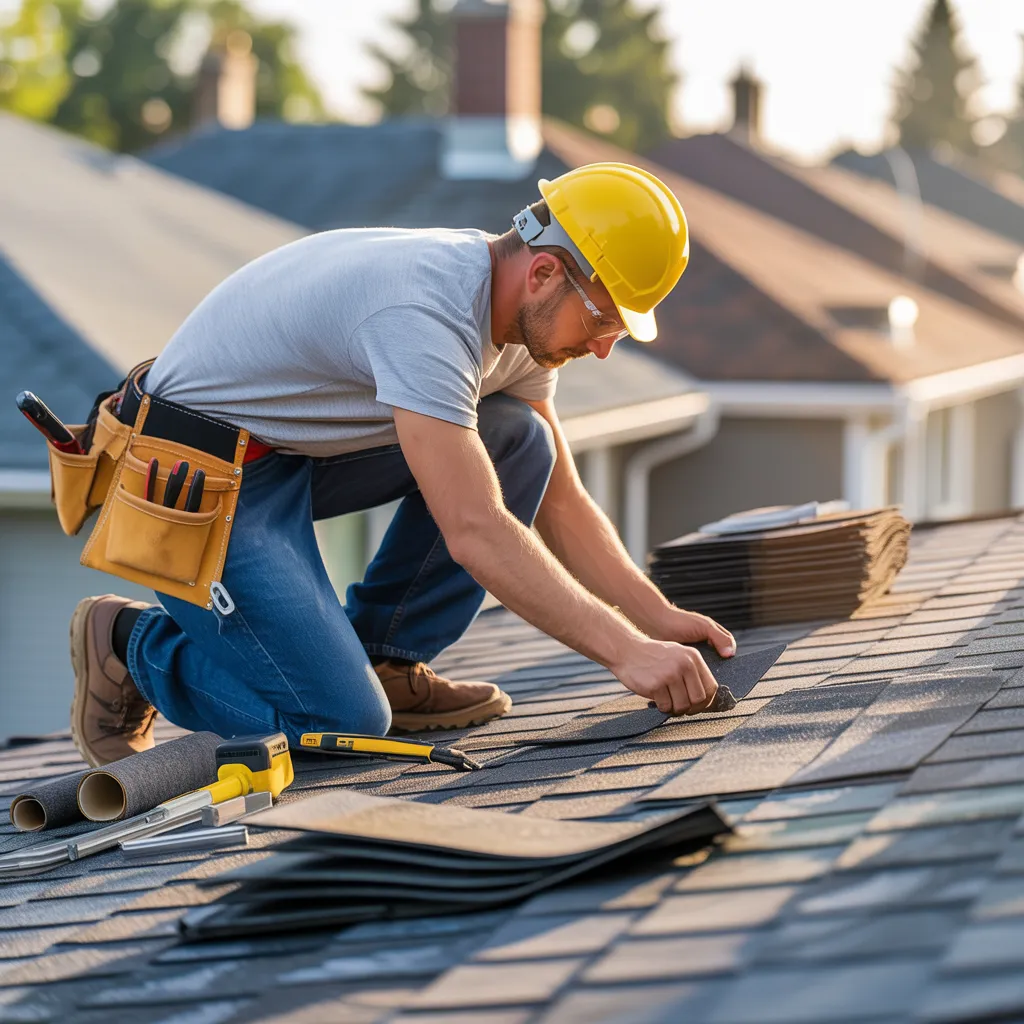
Why You Ought to Retain a Professional Roofer
When contemplating a roofing project, enlisting a professional roofer guarantees both superior results and security. Professional roofers possess the necessary expertise and proficiency to handle multiple roofing challenges effectively. Their experience permits them to recognize potential issues before they worsen, ensuring long-term durability. Additionally, they are conversant in local building codes and policies, which decreases the threat of statutory issues.
Additionally, professional roof specialists have availability of premium materials that may not be available to the average property owner, improving the general performance of the roof structure. They also offer warranties that can deliver confidence and assurance, safeguarding the financial commitment made in the roof work. Importantly, protection is paramount; professional roofers are furnished with the proper equipment and protective equipment to perform their work without risking injury. To summarize, employing a professional roofer is a prudent decision for achieving a reliable and safe roof remedy.
A Complete Handbook to Popular Roofing Materials and Their Benefits
An array of roof solutions exist, each offering distinct advantages fitting assorted needs and preferences. Asphalt shingles are some of the most popular due to their budget-friendly pricing, ease of installation, and variety of colors. Metal roofing, known for its durability and protection against extreme weather, also reflects heat, making it energy-efficient. Slate tiles contribute a timeless visual character and exceptional longevity, while clay tiles furnish excellent insulation and can resist harsh climates.
For those concerned with sustainable options, rubber roofing is rising in popularity; it mirrors the visual appeal of expensive products and is made with reclaimed products. Shake roofing deliver a authentic, charming feel but require more care. In essence, synthetic roofing materials unite the greatest aspects of time-tested options, ensuring adaptability and resilience. Each material delivers distinct benefits, making it vital for residents to consider their needs and work with specialists when picking the most suitable roofing solution.
Typical Roofing Concerns and the Way Professionals Resolve Them
Typical roofing problems, such as water intrusion and water damage, can trigger considerable property damage if not tackled promptly. Additionally, absent or defective shingles compromise the roof's integrity and put the home to further risks. Professionals implement assorted methods to discover and correct these matters, delivering sustained protection and mental ease for homeowners.
Leaks and Water Harm
Leaks and water damage present major difficulties for homeowners, often leading to costly repairs and structural concerns. These issues typically stem from a variety of sources, including aging materials, faulty setup, or even extreme atmospheric events. Water infiltration can compromise insulation, encourage mold growth, and diminish structural integrity. Skilled roof specialists utilize advanced techniques to identify and address leaks effectively. They conduct thorough inspections to pinpoint weak spots, using tools such as moisture meters and infrared cameras. Once identified, they apply focused fixes, which may include sealing, flashing replacement, or, in severe cases, partial roof replacement. By tackling water problems promptly, professionals help homeowners reduce harm, ensuring long-term protection and peace of mind.
Missing or Defective Shingles
Roofing concerns often show up through missing or damaged shingles, which can compromise a home's protective barrier. These defects leave the foundational framework to elements, possibly causing leaks and further deterioration. Professionals typically conduct thorough inspections to determine the severity of the problem. They may recommend replacing individual shingles or whole areas, based on the intensity. Using high-quality materials, skilled professionals guarantee correct setup to prevent future issues. Additionally, they assess the roof's overall condition to tackle any foundational issues, such as poor ventilation or structural deficiencies. Regular maintenance and timely repairs are crucial for maintaining a roof's structural soundness, ultimately protecting the home against water intrusion and other natural dangers.
Choosing the Optimal Roofing Solution for Your Home
If you are picking the ideal roofing alternative for a home, it is crucial to evaluate individual roofing needs first. Comprehending the variety of material options available and their respective costs can impact the decision-making process greatly. Financial planning also play a vital role in ensuring that the chosen solution meets both visual and practical requirements.
Evaluating Your Roof Needs
What is the best way to decide on the most appropriate roofing alternative for your home? Considering roofing requirements starts by reviewing the home’s design and the surrounding climate. Homeowners should weigh criteria like energy efficiency, durability, and maintenance needs. A thorough inspection of the existing roof can uncover potential problems that could determine the choice of materials. Furthermore, cost considerations play a key role; understanding the long-term costs versus key resource the initial investment is critical. Consulting with a qualified roofer can provide key recommendations and suggestions tailored to individual requirements. Ultimately, the choice should weigh design tastes with practical requirements, making certain the selected roofing solution increases the home’s value while offering lasting protection.
Material Types Outline
Identifying the suitable roofing materials is a key element in the entire roof construction process. Homeowners need to review numerous alternatives, each presenting particular advantages and disadvantages. Asphalt shingles are favored for their affordability and simple installation, while metal roofing supplies durability and efficiency gains. Clay and concrete tiles present a attractive, permanent choice, well-suited for warm climates. Wood shakes offer a timeless look but demand greater maintenance. Synthetic materials, like rubber or plastic, mirror conventional styles while ensuring better durability. Moreover, ecological awareness may encourage some homeowners to examine green alternatives including green roofs or reused content. At the end of the day, selecting the most suitable roofing material comes down to the home's design, climate, and personal priorities.
Spending Considerations Broken Down
Creating a budget for a roofing project typically demands careful consideration of numerous factors to ensure homeowners select the best option for their requirements. To begin with, material selection greatly impacts both initial costs and the long-term durability of the roof. Asphalt shingles may be budget-friendly, but metal or tile alternatives might deliver more durability at a greater expense. Additionally, labor costs may differ depending on the contractor’s expertise and the complexity of the task. Homeowners should also consider potential hidden expenses like structural repairs or permits. Finally, considering long-term savings via energy efficiency and warranties will aid in choosing wisely that weighs upfront investment with future benefits.
A Guide to What Happens During the Roofing Installation
Grasping the roof installation process can greatly enhance a homeowner's involvement throughout a roofing project. At first, property owners should anticipate a detailed inspection of the existing roof to determine its condition and the necessary repairs or replacements. After the assessment, a comprehensive estimate will detail the project scope, materials, and schedule.
Once the project commences, homeowners can anticipate an well-structured arrangement with protective measures in place to safeguard their property. The roofing crew will remove old materials, inspect the underlying structure, and apply new roofing systems according to industry standards. Dialogue is vital, as homeowners should expect progress reports on advancement and any unforeseen issues.
To wrap up, the project finishes with a thorough inspection to confirm craftsmanship and adherence to standards. Property owners should also receive maintenance guidance to increase the life of their recently installed roof, underlining the importance of understanding the entire roof installation process.
The Importance of Regular Roof Check-Ups
Although many homeowners may ignore roof care, routine inspections are important for maintaining the condition and lifespan of a roof. These inspections help identify small problems before they become costly maintenance. By discovering problems such as leaks, loose shingles, or moss growth in time, homeowners can save both time and money.
Additionally, periodic check-ups verify that the roof meets local building codes and regulations, which can prevent future complications during property transactions. Seasonal changes can damage roofing materials, making it vital to observe wear and tear.
Furthermore, a well-maintained roof boosts the overall visual charm of a home and raises its market value. Participating in routine inspections not only guarantees the structural soundness of the property but also supplies comfort for homeowners. Ultimately, focusing on roof check-ups is a proactive approach to home maintenance that pays dividends in the long run.
Finding and Hiring a Skilled Roofer in Your Area
Upon appreciating the value of periodic roof assessments, homeowners frequently pursue qualified specialists for servicing and fixes. Identifying a certified roofing professional in their area can prove intimidating; however, a few key strategies can ease the process.
Beginning with, homeowners should solicit recommendations from friends, family, or neighbors who have lately finished roof services done. Digital reviews and ratings on platforms like Google and Yelp can also present valuable insights into a roofer's image.
After a roster of possible contractors is assembled, property owners should confirm qualifications, encompassing permits and protection. Requesting various estimates permits them to assess pricing and offerings.
Moreover, asking about warranties and guarantees can help assure enduring performance. By adhering to these guidelines, homeowners can confidently hire a professional roofer who satisfies their specific needs, ensuring their roofs stay in optimal shape for years to come.
Frequently Asked Questions
What Qualifications Do I Need to Look for in a Experienced Roofer?
If you're locating a qualified roofing specialist, you should focus on qualifications including proper licensing, insurance coverage, considerable background, excellent testimonials, and adherence to industry standards. These elements guarantee reliable workmanship and defense from potential liabilities.
How long Does a Typical Roofing Project Take to Finish?
A typical roofing project often takes between one to three days, depending on the size and complexity of the roof, weather conditions, and the team's effectiveness. Larger or more intricate roofs may need further days.
Are Roofing Warranties Transferable if I Sell My Home?
Roofing guarantees are commonly assignable, but different requirements apply. Property owners should look at the warranty documents for information on transferability, as some companies require formal notice and may have transfer deadlines for the transferring procedure.
What Must I Do if I Believe Roof Damage After a Storm?
If roof damage is suspected after a storm, the homeowner should examine the roof for visible issues, record any damage, and contact a professional for an assessment to determine necessary repairs and prevent further problems.
How Can I Maintain My Roof Between Professional Inspections?
Regularly examine the roof for debris, check for deteriorated shingles, and clean gutters to prevent water buildup. Fix small issues quickly and keep an eye out for signs of leaks or wear between professional inspections.